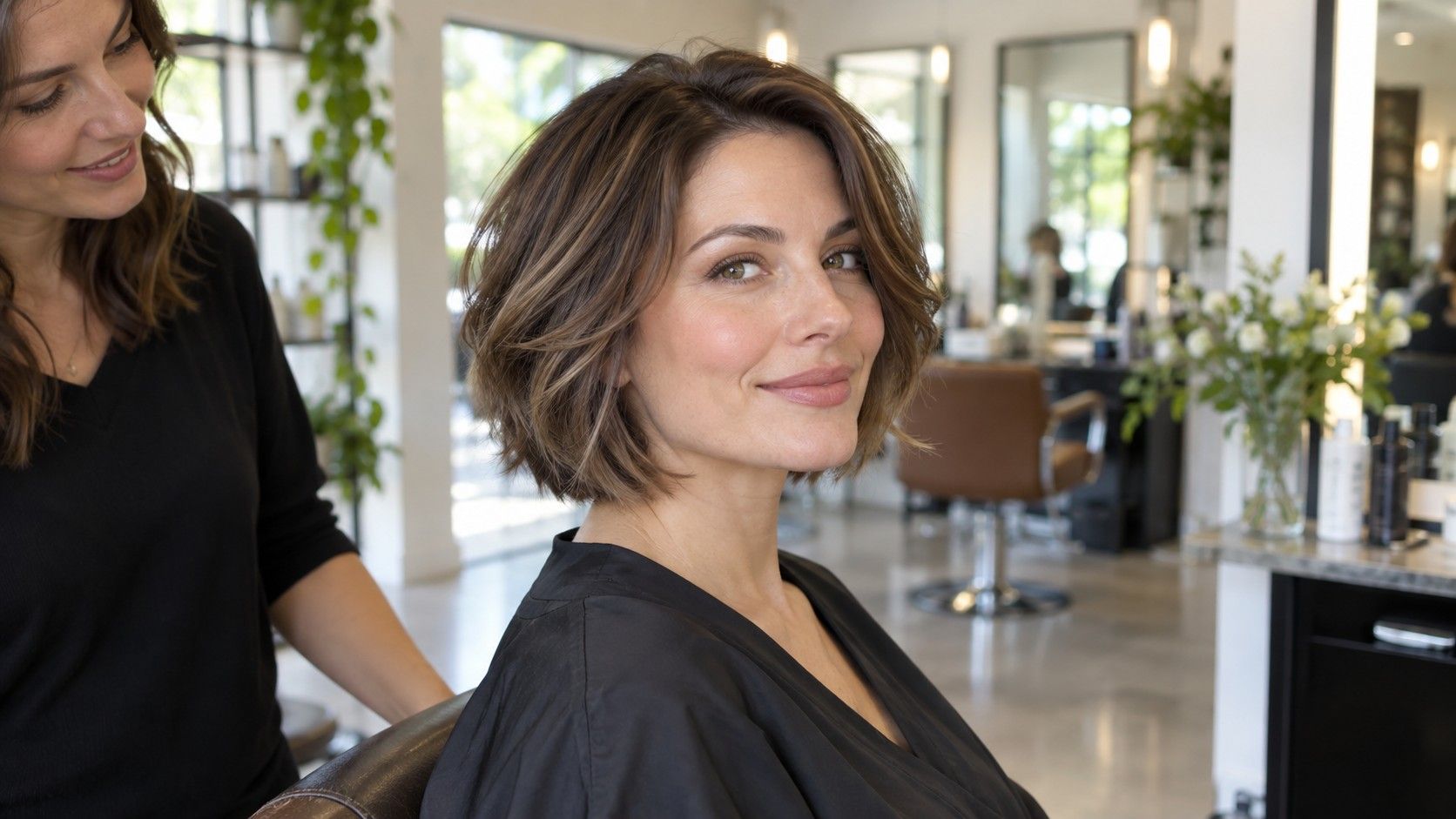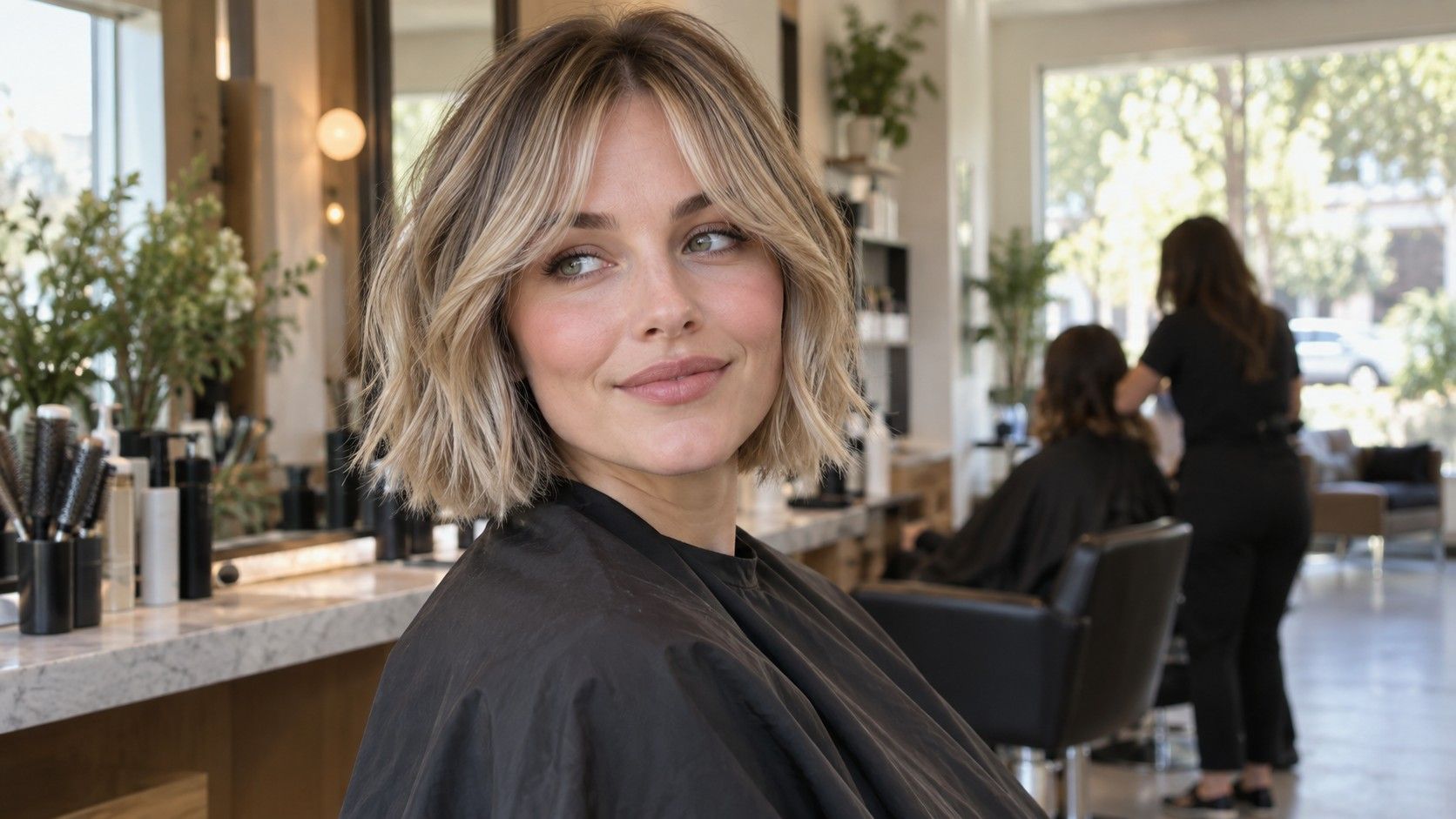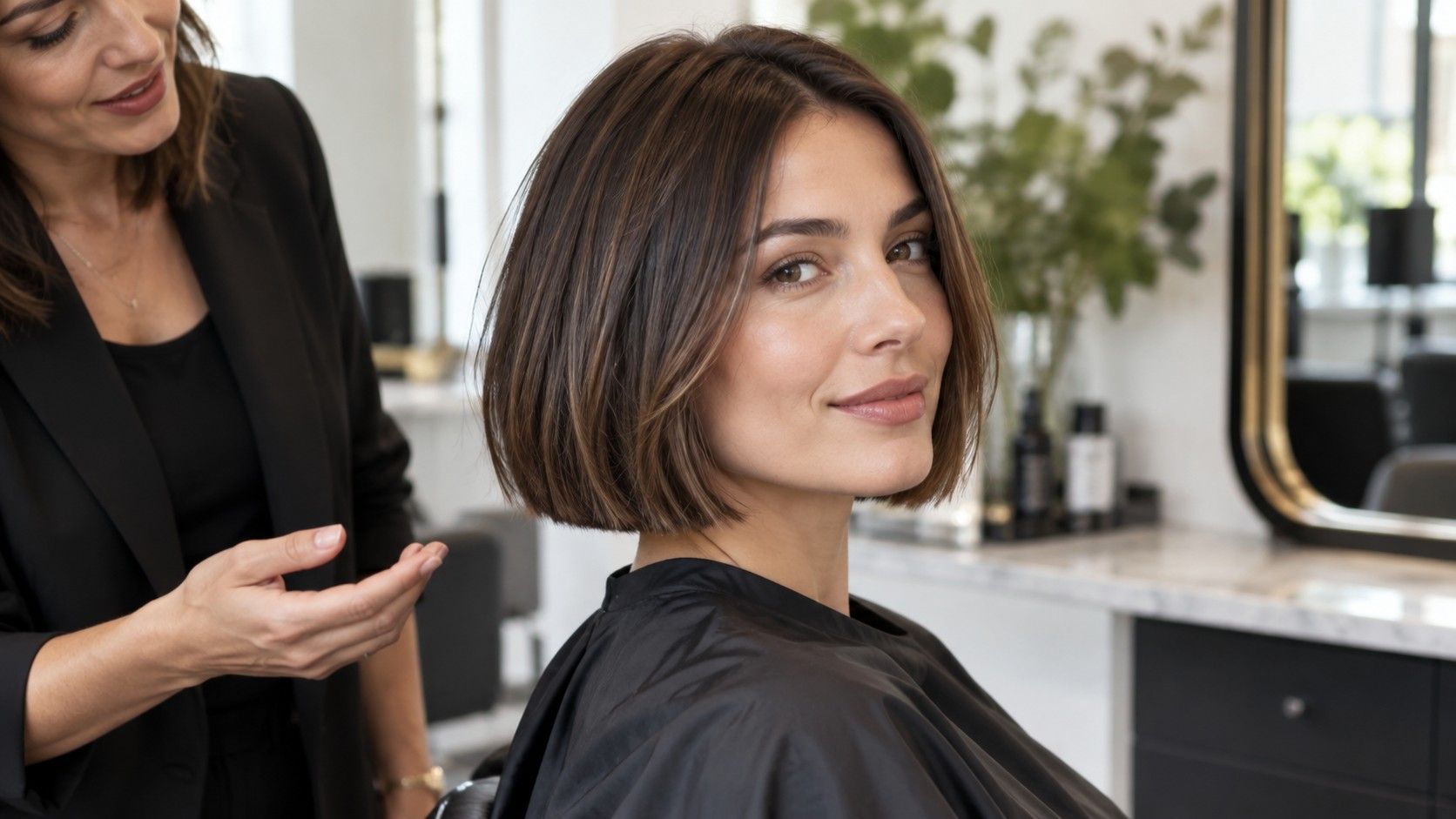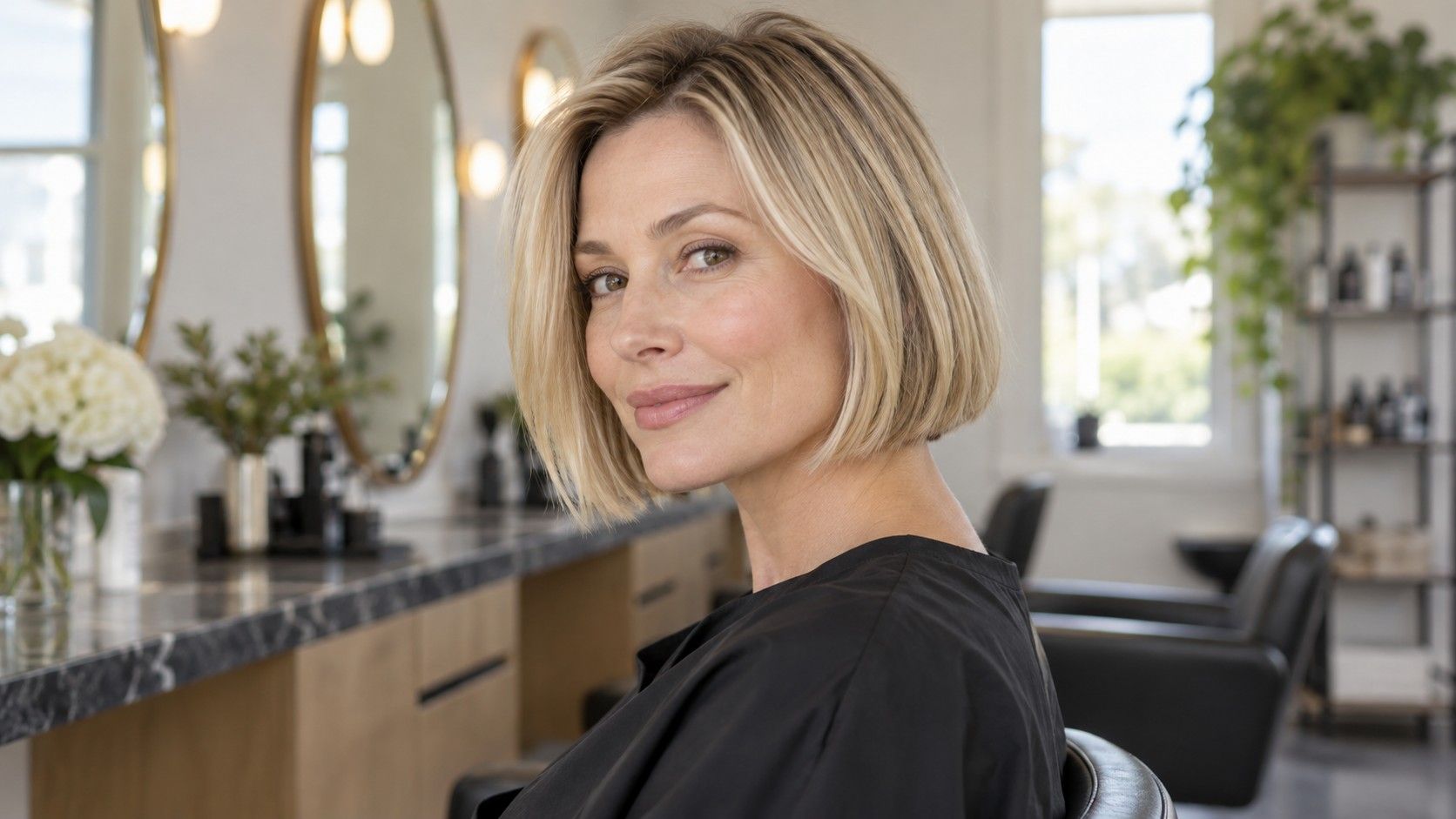
Fine hair can look elegant and soft, but a short cut exposes every decision about weight, length and styling. The goal is not to make each strand pretend to be thicker. Good short hairstyles for fine hair use a clear outline, enough hair at the ends, and a shape that does not collapse after lunch. The right choice depends as much on your growth pattern and daily routine as on how much hair you have.
Why fine hair responds differently to a short cut
Fine describes the diameter of an individual strand, not necessarily how many strands you have. Someone can have a full-looking head of fine hair, while another person has fine hair with lower density and more visible scalp. A stylist should look at both. Density affects how much graduation a cut can carry; strand size affects whether a heavily razored edge looks airy or simply sparse.
Pick a silhouette before asking for texture
Short hair removes the weight that can pull roots flat, which is useful, but it also makes a weak perimeter obvious. This is why short haircuts for thin hair often benefit from a deliberate baseline. When the ends are allowed to look substantial, the whole cut reads fuller. Too many disconnected wisps, particularly around the nape, can make a fresh cut look overdue for a trim.
When a blunt bob does the most work
Start by choosing the overall outline you want in profile and from the back. A compact pixie cut gives lift through the crown and can make fine hair look lively, especially when there is enough length on top to move. A cropped bob places more visual weight around the jaw and is a better option if you like being able to tuck hair behind the ears.
Texture should support that silhouette, not replace it. Ask whether the stylist plans point cutting, soft internal removal, or short layers, and ask what the ends will look like after air-drying. Fine hair short styles can take a little texture near the crown, but aggressive thinning through the lower perimeter often produces the opposite of volume. You should be able to see the shape before styling product goes in.
A blunt bob is often the easiest way to make fine hair look denser because its ends gather into one visible line. The best length is personal: jaw length feels sharper, while a bob that sits near the collarbone allows more movement. If your hair turns under naturally, a blunt line can look polished with very little effort. If it flips out, leave room for the flip so it becomes part of the design rather than a daily battle.
Blunt does not have to mean one flat slab. A few nearly invisible layers can prevent a bob from hanging too heavily, especially at the back. The test is simple: when you tilt your head forward, the perimeter should still look intentional. If the ends separate into transparent strings, the cut may need less texturizing and a slightly firmer line at the next appointment.
A pixie needs a plan for the crown and fringe
A pixie works well for fine hair when its shortest areas are chosen around the natural growth pattern. Cowlicks at the crown need either enough length to settle or enough shortness to stand up cleanly; an in-between length often creates the stubborn patch people blame on their hair. Keep a little extra length where you want to direct the eye, usually through the top or a side fringe.
A longer fringe can add softness and help you change the look without changing the whole cut. It also gives you an easy way to disguise a flat root on the second day. Avoid packing every strand forward across the forehead if that makes the crown look empty. A side sweep, a loose part, or a small lift at the root usually looks more natural than a carefully teased wall of hair.
Use root lift without making hair stiff
Root lift begins with drying direction. After washing, move the roots away from their usual part while they are still damp, then set the part only when the hair is mostly dry. A small round brush at the crown can help, but it does not need to create a dramatic bend. Even a gentle change in direction makes light hair look less attached to the scalp.
Product weight is the common trap. Start with a small amount of mousse or a light root spray rather than layering cream, oil and paste together. If you use a texturizing spray, put it mainly through the middle and ends, then separate a few pieces with your fingers. Too much dry product dulls fine hair and can make scalp visibility more noticeable by forcing the strands into rigid groups.
Choose a trim schedule that protects the outline
| Short style | What creates fullness | When to reassess |
|---|---|---|
| Blunt jaw-length bob | A strong perimeter | When the line begins to split at the ends |
| Soft pixie | Length and direction at the crown | When the fringe no longer falls where intended |
| French-style crop | Compact sides with a textured top | When the nape loses its clean shape |
| Short layered bob | Controlled graduation | When the back starts to look hollow |
Make the salon conversation specific
Tell your stylist whether your hair gets oily at the roots, whether you wear a part, and how often you will realistically blow-dry. Bring photos for the outline, not only for the finish; salon lighting can make almost any fine hair look denser for an hour. Ask which parts of the shape depend on product and which parts will remain after an ordinary air-dry.
A good short cut should give you two or three easy versions: a smoother workday style, a slightly lived-in texture, and a quick option for late wash days. If the recommendation needs constant teasing to look acceptable, it is not solving the problem. Fine hair responds beautifully to a clean perimeter, restrained layering and a routine light enough to let the cut move. A useful test comes after two home wash days: if the outline still looks deliberate with your usual part and drying routine, the shape is doing its job. It is also worth checking the back with a hand mirror: a strong nape and balanced crown make even a simple short style feel finished from every angle.