A pixie cut can feel liberating because it removes so much styling time, but it also makes the behavior of your hair much more visible. A cowlick at the crown, a fringe that separates at the wrong point, or a sideburn that grows faster than expected is no longer hidden by length. How to choose a pixie cut comes down to matching the cut to those realities before the hair is short, rather than trying to correct them every morning afterwards.
What a pixie changes in your routine
Short hair is quick to wash, but it is not always effortless. Long hair can be tied back on a difficult day; a pixie needs a small decision about direction every time it gets wet. The upside is that drying takes minutes and product use can be minimal. The catch is that sleep, humidity and an active morning can alter the crown immediately, so the cut should have a flattering default shape even when you only refresh it with water and your hands.
Choosing soft, sharp or textured shapes
Think about what you do with your hair now when it is inconvenient. If you constantly tuck it behind the ears, pin the fringe away, or rely on a ponytail for workouts, mention that. A pixie can preserve a longer front, a soft sideburn, or enough length at the crown to move away from the face. These choices are not minor decoration. They decide whether the haircut works at a desk, in the gym, and under a hat rather than only in the salon chair.
Styling with minimal product
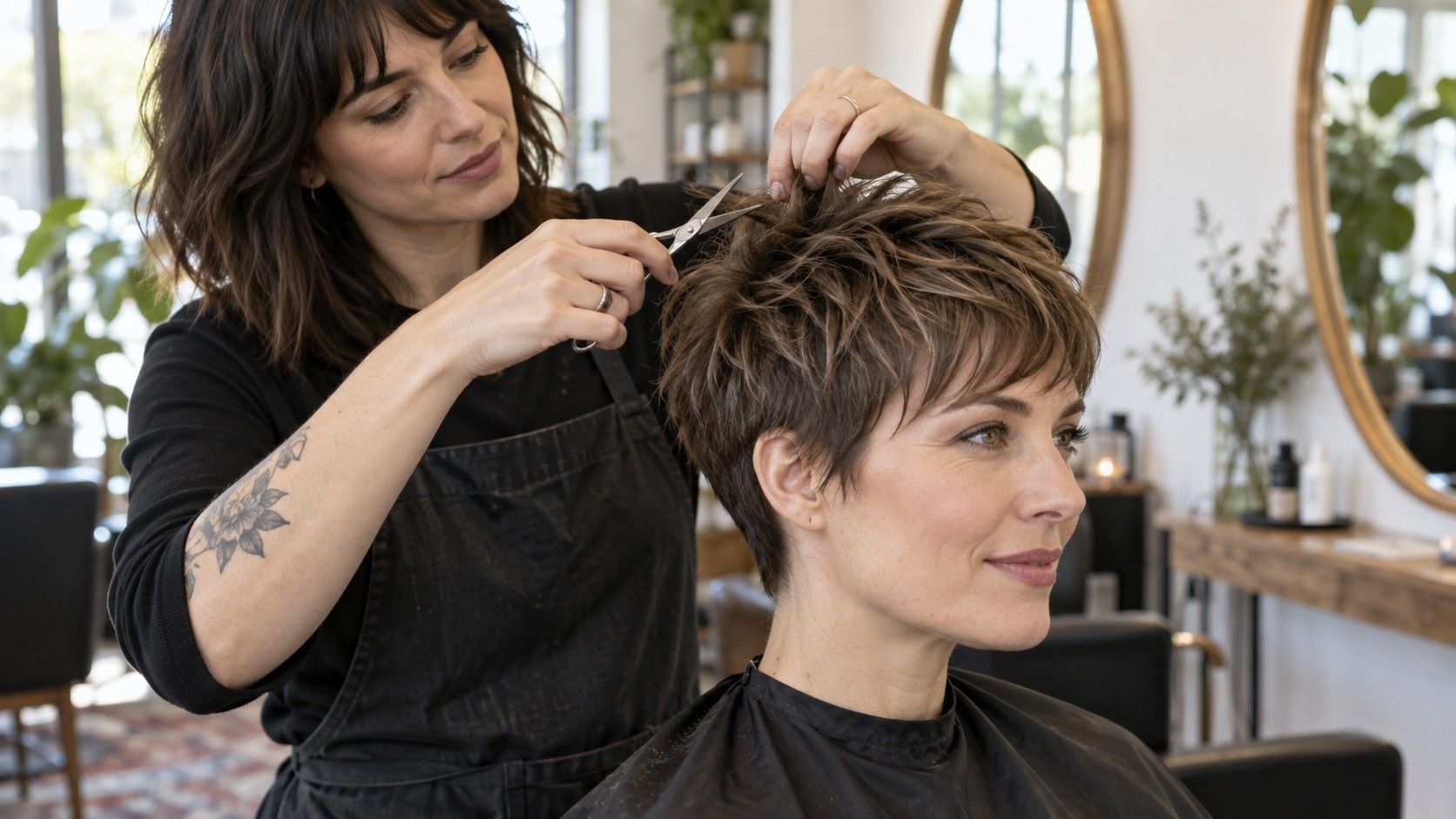
Among the most useful types of pixie cuts, a soft pixie has a flexible fringe, rounded edges and enough length to break up the outline. It tends to grow out less abruptly and suits people who dislike a hard perimeter around the ear. A sharper pixie has cleaner temple and neckline work, often with a close nape and a defined top. It can look wonderfully deliberate, but it asks for more regular trims because the geometry disappears once the sides begin to puff.
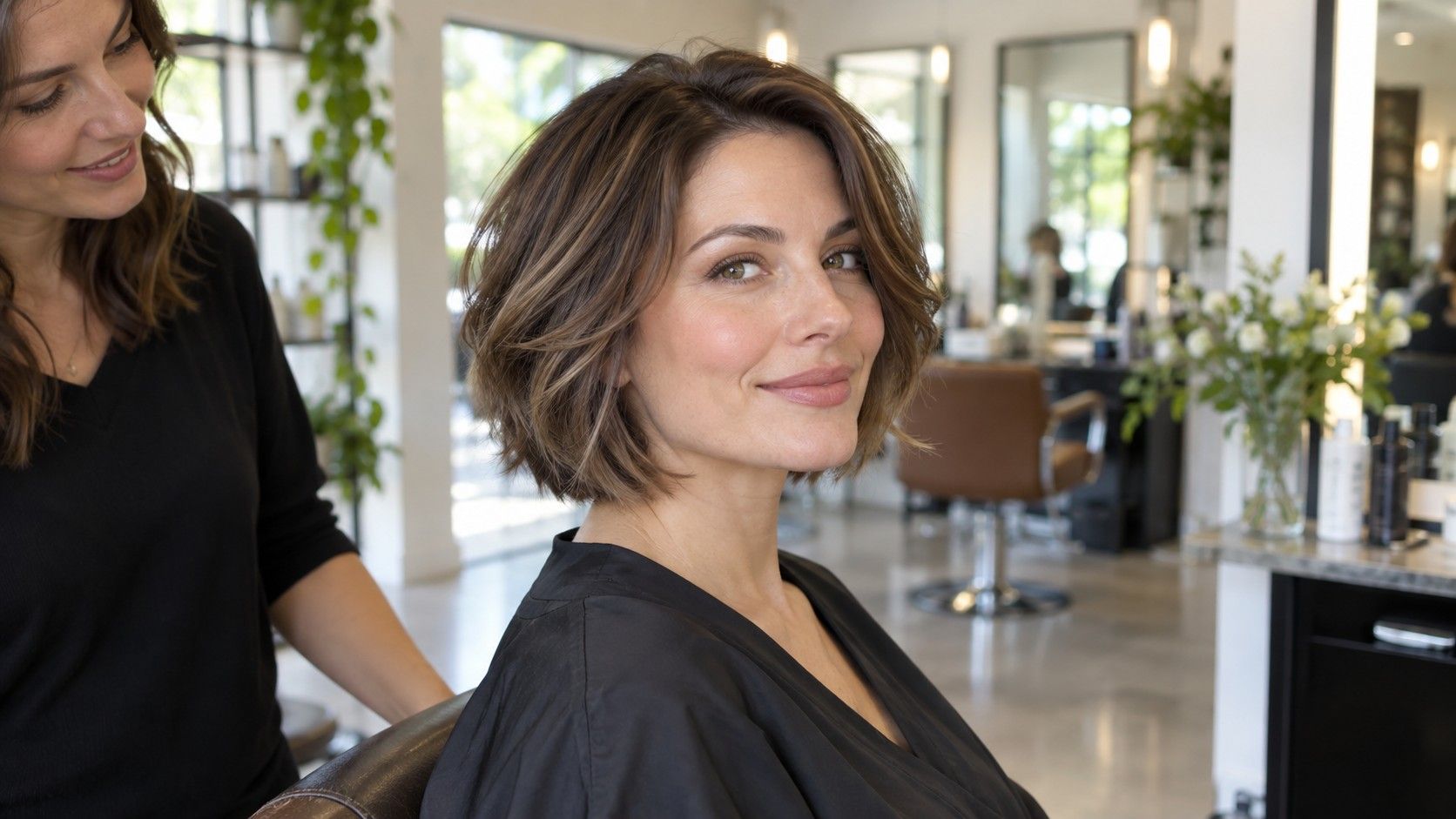
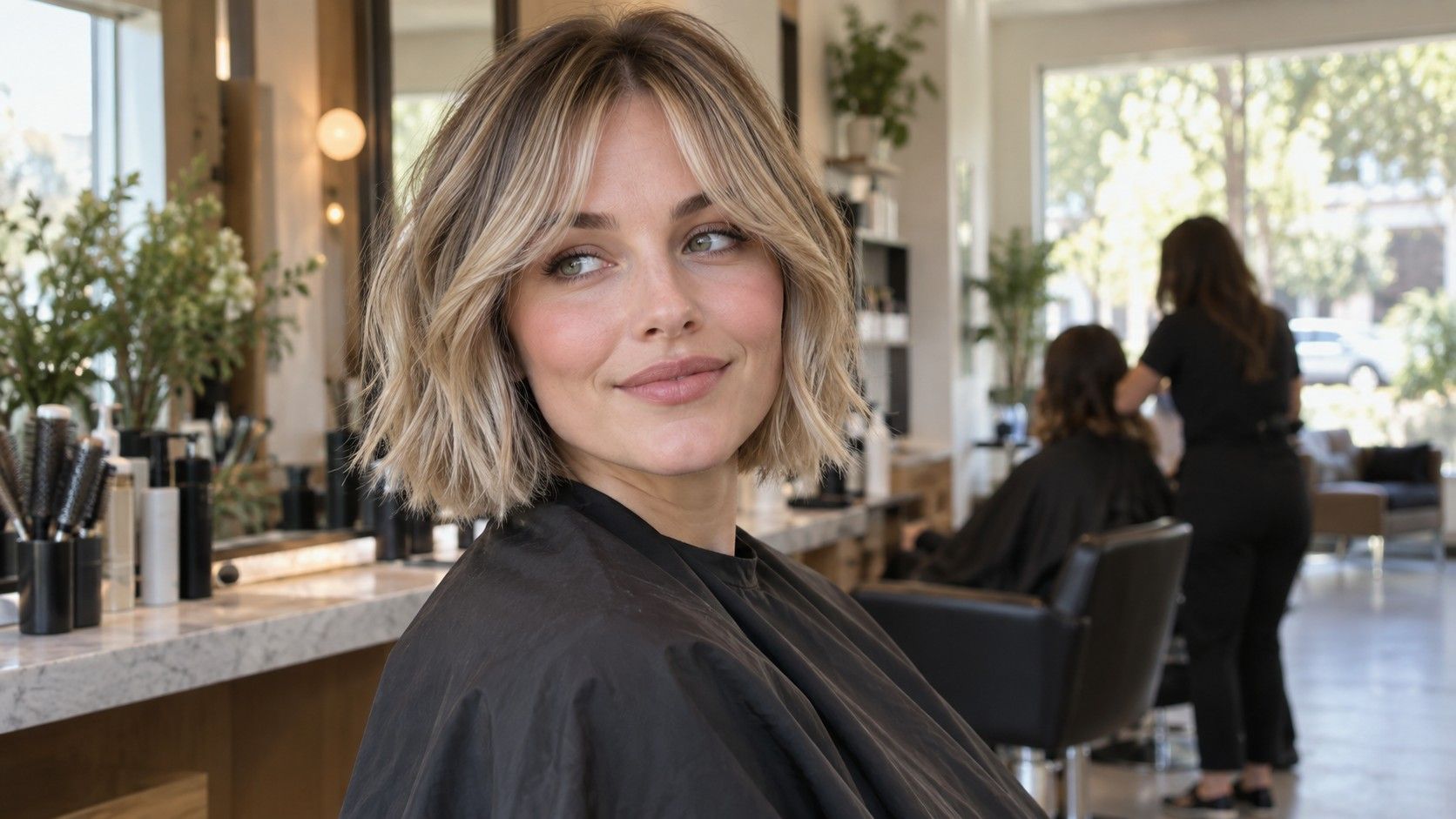
A textured crop uses uneven, separated pieces at the crown and fringe. It can create visual volume on fine hair and make thicker hair feel lighter, yet texture should be cut for the way your hair naturally separates. Random short layers are not the same thing. A bixie sits between a bob and a pixie, with more length around the ears and nape. It is a sensible option when you want short-hair energy without committing to a tightly clipped back.
| Shape | Best practical advantage | Maintenance point |
|---|---|---|
| Soft pixie | Flexible fringe and gentler grow-out | Keep the fringe from becoming too heavy |
| Sharp pixie | Clean, sculpted outline | Neckline and sides show growth quickly |
| Textured crop | Easy piecey volume at the crown | Needs texture placed around real growth patterns |
| Bixie | More coverage and styling options | Can become a shapeless short bob if untrimmed |
Working with growth patterns instead of against them
The crown deserves a close look before choosing the shortest length. A clockwise cowlick may push the hair forward on one side and backward on the other; cutting it uniformly short can make that contrast louder. A good stylist can leave slightly more length where the hair lifts or redirect the parting so the growth pattern supports the shape. Ask to see your crown from the back in a hand mirror, because it is difficult to judge from a front-facing photo.
Sideburns and the hair around the ears also have their own direction. A neat, short sideburn gives a graphic pixie a clean ending, while a longer tapered piece softens the transition to the face and is kinder if you wear glasses. The neckline may be square, rounded, tapered or softly left alone. Each option grows differently. A hard line looks fresh immediately after a cut but usually needs a sooner clean-up than a tapered nape that blends into the hair above it.
Start with less product than you expect. A pea-sized amount of light cream or paste, warmed thoroughly between the hands, is often enough for a pixie cut. Apply it first where the hair needs direction, usually at the crown and fringe, then use what remains on the sides. Loading product straight onto the front can make the fringe stringy and remove the airy quality that made the cut appealing in the first place.
Drying direction is more important than a complicated tool kit. If you want lift, rough-dry the crown opposite its final direction, then guide it back once it is nearly dry. If you prefer a calmer outline, press the sides down with your palms while the hair cools. A small matte paste helps a textured crop stay separated; a cream gives a soft pixie a less dry finish. The best routine is one you can repeat in five minutes, not a collection of techniques reserved for special occasions.
Maintenance and grow-out planning
Most short pixie shapes look their sharpest with a trim every four to six weeks, especially if the nape and around-ear line are close. That does not mean every visit needs a full redesign. A quick neckline and fringe adjustment can preserve the silhouette while the top grows. If that schedule is unrealistic, choose a softer pixie or bixie from the beginning, with enough length at the sides that the growth reads as intentional rather than accidental.
Plan the grow-out before the first cut, particularly if you are nervous about losing length. A common route is to let the crown and fringe become a soft bixie while keeping the nape tidy, then gradually build a short bob. The awkward stage usually appears when every area grows at the same rate with no reshaping. Small strategic trims prevent that. A pixie is less of a one-time decision when you see it as a sequence of wearable shapes.
What to say in the consultation
Bring pictures with different hair textures, but explain the feature you want rather than asking for a copy. You may like the open forehead, the softness near the sideburn, the lifted crown, or the close neckline. Say how you normally part your hair and whether you are willing to use a dryer. These details let the stylist translate an image into a shape that belongs to your head rather than to somebody else's styling routine.
Ask to be shown the planned fringe length when it is dry, the crown from both sides, and the neckline before it is finished. If you have a strong cowlick, ask where it will be accommodated. A thoughtful pixie cut should not rely on pretending those patterns do not exist. Once the shape follows them, short hair feels clear and purposeful instead of fussy, and that is usually the difference between a brave change and a haircut you genuinely enjoy wearing.